
Three Days in Istanbul: Why Your Turkish Airlines Stopover Deserves an Itinerary of Its Own


Three days. Two continents. And a very good reason not to take the shortest connection.
Istanbul is one of my favorite cities in the world, and whenever someone asks me about the best time to visit, my answer is usually the same: anytime. I was there last December, and the city was absolutely beautiful. The weather was cool, the atmosphere was wonderful, and I loved experiencing Istanbul outside the traditional spring and summer travel seasons. There's something especially appealing about wandering its historic neighborhoods on a chilly afternoon, stepping into a café for Turkish tea, and watching ferries cross the Bosphorus beneath a winter sky. Istanbul is one of those rare cities that doesn't depend on perfect weather to be extraordinary. Its history, architecture, food, and energy are compelling enough to make almost any season a good one.
What makes Istanbul so fascinating is the extraordinary number of civilizations and cultures that have shaped it. Founded as the Greek settlement of Byzantium, the city became Constantinople when Emperor Constantine established it as a new imperial capital in the fourth century. For more than a thousand years, it served as the center of the Eastern Roman, or Byzantine, Empire, until the Ottoman Turks captured it in 1453. The Ottomans made it their capital, and for nearly five more centuries, Istanbul stood at the heart of an empire stretching across three continents. Today, those layers of history remain remarkably visible. Byzantine churches stand near Ottoman mosques, centuries-old markets continue to bustle with commerce, and ferries carry commuters between Europe and Asia much as boats have crossed these waters for generations.
Yet despite everything Istanbul has to offer, many international travelers experience the city only through its airport. Turkish Airlines operates an extensive network connecting destinations across Europe, Africa, Asia, and the Americas, making Istanbul a natural connection point for longer journeys. But rather than rushing from one flight to another, why not build a few days into your itinerary and experience the city itself? Turkish Airlines even offers a stopover program that includes complimentary hotel accommodations for eligible passengers, although the benefits depend on your ticket and itinerary. Whether you qualify for the hotel program or not, a few days in Istanbul can turn a long-haul connection into one of the most memorable parts of your trip.
If you have three days, here's how I would spend them.
Day One: The World of the Ottoman Sultans
Topkapı Palace and an Evening on the Bosphorus

I would devote much of the first day to Topkapı Palace, one of the most fascinating places to understand the power, wealth, and complexity of the Ottoman Empire. Built in the years following the Ottoman conquest of Constantinople, the palace served as the principal residence and administrative center of the sultans for nearly four centuries. From its commanding position overlooking the Bosphorus, the Golden Horn, and the Sea of Marmara, Ottoman rulers governed an empire that stretched across Europe, Asia, and Africa. Unlike the grand European palaces organized around a single monumental building, Topkapı unfolds through a series of courtyards, gardens, pavilions, and private apartments. Moving through these spaces reveals how carefully the Ottoman court separated public ceremonies, state affairs, and the imperial family's private life.
The Harem is particularly fascinating, and I would strongly recommend including it in your visit. Although popular imagination often reduces the Harem to a place of luxury and intrigue, it was a highly structured residential and political institution where the sultan's mother, wives, children, and other household members lived within an elaborate hierarchy. Some of the palace's most beautiful rooms are found here, decorated with intricate İznik tiles, painted ceilings, and elaborate architectural details. Elsewhere in the complex, the Imperial Treasury displays extraordinary ceremonial objects and jewels, offering another perspective on the wealth of the Ottoman court. Between the Harem, the Treasury, and the palace's spectacular waterfront views, Topkapı deserves several hours rather than a hurried visit.
For dinner, I would continue the imperial theme at Tuğra, the elegant restaurant inside Çırağan Palace Kempinski. Built in the nineteenth century as an Ottoman imperial residence, the palace sits directly on the Bosphorus, making it a particularly atmospheric place to spend an evening. Dining here is as much about the setting as the cuisine, offering a chance to experience a different chapter of Ottoman history after spending the day exploring Topkapı. It's a wonderful way to begin a visit to Istanbul, especially if you're celebrating the start of a longer journey.
Planning note: Topkapı Palace is normally closed on Tuesdays. I recommend allowing at least half a day for the palace and booking the Harem admission as part of your visit.
Day Two: Where Byzantine and Ottoman Istanbul Meet
Hagia Sophia, the Blue Mosque, and the Grand Bazaar
On your second day, I would explore Sultanahmet, the historic heart of Istanbul and home to some of the city's most recognizable monuments. Few places in the world bring together so many centuries of religious, political, and architectural history within such a small area. Begin with Hagia Sophia, completed in 537 during the reign of Byzantine Emperor Justinian I. Its enormous central dome was an extraordinary engineering achievement for its time, and the building became one of the most important churches in the Christian world. For nearly a thousand years, Hagia Sophia stood as a symbol of Byzantine imperial and religious power, until the Ottoman conquest of Constantinople in 1453 transformed it into a mosque. In the twentieth century, it became a museum, and in 2020 it returned to use as a mosque. Its architecture and surviving decorative elements tell the story of these successive chapters in Istanbul's history.
Just across Sultanahmet Square stands the Blue Mosque, officially the Sultan Ahmed Mosque, built in the early seventeenth century during the reign of Sultan Ahmed I. Its elegant domes and six minarets create one of Istanbul's most recognizable silhouettes, while the interior is famous for the thousands of İznik tiles that give the mosque its popular name. Visiting these two buildings together is particularly rewarding because they illustrate the architectural conversation between the Byzantine and Ottoman worlds. The Ottoman architects who designed Istanbul's great imperial mosques were deeply influenced by Hagia Sophia, even as they developed their own distinctive traditions. Allow time to appreciate both buildings rather than treating them simply as photographic stops, and remember that they remain active places of worship, with visitor access affected by prayer schedules.
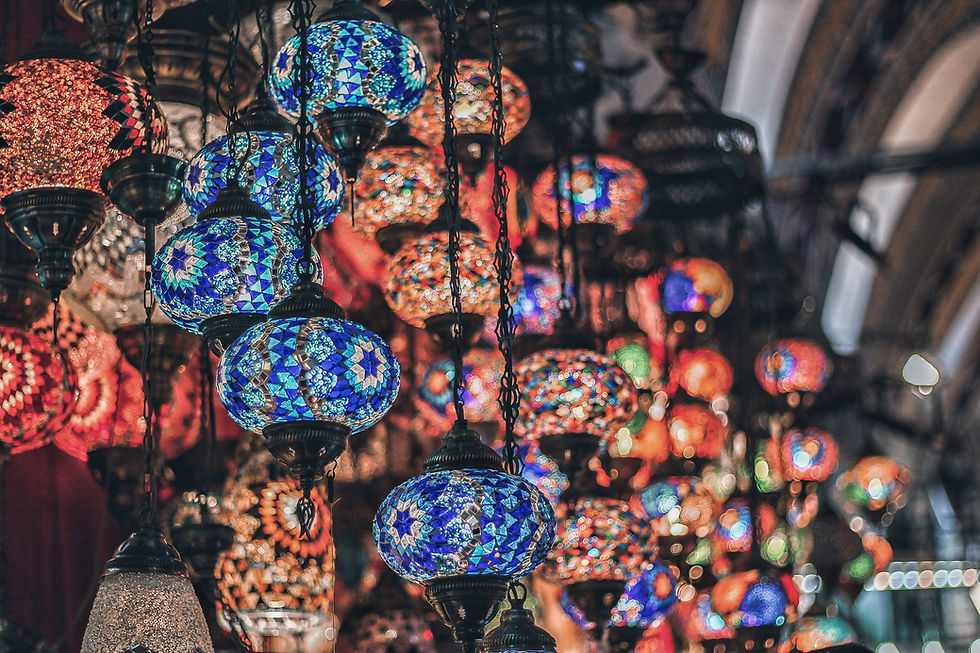
After lunch, spend the afternoon wandering through the Grand Bazaar, one of the world's oldest and most famous covered markets. It dates to the fifteenth century, shortly after the Ottoman conquest, when Istanbul became a major commercial center linking trading networks from Europe, the Middle East, and Asia. Over the centuries, the market expanded into a labyrinth of covered streets, courtyards, and shops selling everything from textiles and carpets to ceramics, jewelry, and precious metals. Although today's bazaar caters heavily to visitors, it remains a remarkable place to experience the city's commercial traditions. I always find markets most enjoyable when you let yourself wander without a rigid agenda, stopping to admire the craftsmanship, talk with shopkeepers, and take in the extraordinary atmosphere.
For dinner, head to Karaköy Lokantası, a popular restaurant known for its traditional Turkish cooking and lively atmosphere. Karaköy is a wonderful neighborhood to explore, with a mix of historic buildings, contemporary cafés, and waterfront streets. After dinner, make one final stop at Karaköy Güllüoğlu, one of the city's best-known baklava spots. Turkish pastry traditions are serious business, and ending the evening with freshly made baklava is a great way to wrap up a day devoted to Istanbul's history and culture.
Planning note: The Grand Bazaar is generally closed on Sundays, so adjust the order of your sightseeing if necessary. Both Hagia Sophia and the Blue Mosque have visitor requirements and restrictions associated with their religious functions.
Day Three: Istanbul Across Two Continents
Kadıköy, Moda, and a Traditional Turkish Hammam

One of Istanbul's most distinctive characteristics is its position on two continents, separated by the Bosphorus Strait. For centuries, this waterway has been an important commercial and strategic passage connecting the Black Sea with the Sea of Marmara and, ultimately, the Mediterranean. Today, it's also part of everyday life in Istanbul, with ferries carrying residents between neighborhoods on the European and Asian shores. On your third morning, I would leave the monumental historic sites behind and experience a different side of the city by taking a ferry to Kadıköy, on the Asian side. The crossing itself is one of my favorite kinds of travel experiences: inexpensive, wonderfully scenic, and an opportunity to watch the city unfold from the water. As the ferry moves across the Bosphorus, Istanbul's domes, minarets, waterfront palaces, and crowded hillsides create a panorama thatis hard to appreciate from land.
Kadıköy has a very different atmosphere from Sultanahmet. Rather than grand imperial monuments, you'll find busy markets, neighborhood restaurants, independent shops, and cafés filled with locals going about their daily routines. Spend the morning exploring its food market and surrounding streets, where stalls display spices, olives, cheeses, seafood, and an extraordinary assortment of Turkish specialties. From there, continue toward Moda, a relaxed neighborhood with leafy streets, attractive cafés, and lovely waterfront views. This is a perfect place to slow down, enjoy a glass of Turkish tea, and appreciate the city's everyday rhythms. While Istanbul's palaces and mosques tell the story of its imperial past, neighborhoods like Kadıköy and Moda reveal something equally important about the city today.
In the afternoon, take a ferry back to the European side and experience another longstanding Turkish tradition: the hammam. Public bathing has been part of life in this region since Roman and Byzantine times, but the Ottomans developed the hammam into an important social and cultural institution. Traditional bathhouses became places not only for washing and relaxation but also for gathering, conversation, and community rituals. Today, several historic hammams in Istanbul still offer traditional bathing experiences, often with heated marble rooms, washing, exfoliation, and optional massage treatments. After three days of sightseeing, it's an especially enjoyable way to unwind, and choosing a historic bathhouse adds another architectural and cultural dimension to the experience.
For your final evening, I would reserve a table at Mikla, one of Istanbul's most celebrated contemporary restaurants. Located high above the city in Beyoğlu, Mikla is known for its modern interpretation of Anatolian cuisine, drawing on regional ingredients and culinary traditions while presenting them in a contemporary setting. The views are extraordinary, especially as the city lights come on after sunset. After three days exploring the history of Byzantium and the Ottoman Empire, it feels fitting to end your visit at a restaurant that reflects the creativity and sophistication of modern Istanbul.
Planning note: Mikla is normally closed on Sundays, so plan your final dinner accordingly. I would also reserve a traditional hammam experience in advance, particularly during busy travel periods.
When Is the Best Time to Visit Istanbul?
As I mentioned earlier, I don't think there's a bad season to visit Istanbul, although each time of year offers a different experience. Spring is particularly lovely, with milder temperatures, blooming gardens, and comfortable conditions for walking through the historic neighborhoods. Summer brings long evenings and lively waterfront activity, but it can also be hot, crowded, and more expensive. Autumn is another excellent choice, when the temperatures become more comfortable and the intensity of the summer tourism season begins to ease. For travelers who have flexibility, spring and fall are often recommended for good reason, but I wouldn't plan an entire international itinerary around avoiding Istanbul at other times of the year.
My own visit last December reinforced that feeling. Winter in Istanbul can be chilly, damp, and occasionally windy, but the city still has an enormous amount to offer. Some of its most rewarding experiences take place indoors, from the extraordinary rooms of Topkapı Palace to the cafés, restaurants, museums, and historic hammams scattered throughout the city. Istanbul also feels atmospheric in the colder months, when a warm cup of tea feels particularly inviting,wouldn't pass up the chance and the city takes on a slightly different rhythm. If your longer journey brings you through Istanbul in December, January, or February, I certainly wouldn't dismiss the opportunity to spend a few days there. Pack appropriately, leave some flexibility in your sightseeing plans, and enjoy the city in the season you find it.
How to Plan a Turkish Airlines Stopover
Turkish Airlines is particularly well positioned for travelers connecting between North America and destinations throughout Europe, Africa, and Asia. Depending on your route, it may be possible to arrange a stopover in Istanbul for several days before continuing to your final destination. The airline's Stopover in Istanbul program offers complimentary hotel accommodations to eligible passengers, with benefits that vary according to the itinerary, cabin class, and country of departure. Under its published program structure, standard eligible economy passengers receive one hotel night, and business-class passengers receive two, while certain departure markets, including the United States, may qualify for additional accommodation. These benefits depend on specific booking requirements and can change, so confirm eligibility before purchasing your flights.
Even without a complimentary hotel benefit, Istanbul can be an appealing place to divide a long international journey. Instead of arriving at your final destination exhausted after multiple flights, you can spend a few days exploring an extraordinary city, adjusting to a different time zone, and starting your vacation at a more enjoyable pace. I would ideally plan for three full sightseeing days, which may mean spending three or four nights depending on your flight arrival and departure times. Hotel location also matters: Sultanahmet places you close to many major historic attractions, while Karaköy and Beyoğlu offer excellent dining, interesting neighborhoods, and convenient transportation connections. Choosing the right location can make a substantial difference in a city as large and busy as Istanbul.
Another consideration is that Istanbul Airport is some distance from the historic center, so a short stopover may not be enough to experience the city comfortably. A multi-day stay lets you enjoy Istanbul without constantly watching the clock or worrying about your next flight. And while the three-day itinerary I've outlined includes many of the city's essential experiences, it's only an introduction. Istanbul has enough museums, neighborhoods, palaces, markets, and restaurants to reward a much longer visit, and I suspect that many travelers who begin with a stopover will eventually want to return.
A City Worth Returning To
Three days will barely scratch the surface of Istanbul, but that's part of its appeal. It's a city that rewards curiosity, whether you're wandering through the courtyards of an Ottoman palace, discovering a neighborhood café, or watching ferries cross the Bosphorus. There's always another street to explore, another layer of history to uncover, and another reason to linger a little longer than you planned.
Having visited Istanbul in December, I can say that the city left just as strong an impression on me in winter as it might have during the warmer months. That's one of the things I love most about travel: sometimes a destination surprises you simply because you experience it at a different time, or in a different way, than you expected. Istanbul has so much to offer that I wouldn't hesitate to return in any season.
So, if your next international journey takes you through Istanbul, consider giving yourself a few extra days. You may find that what began as a convenient stopover becomes one of the highlights of your entire trip.
Planning a trip that connects through Istanbul? Save this guide for your next flight booking, or share it with someone who’s looking to add a few extra days of adventure to their journey! Or reach out, and let's plan your next stopover.


Comments